Low-Waste Travel on a Budget | Practical Ways to Explore the World Responsibly
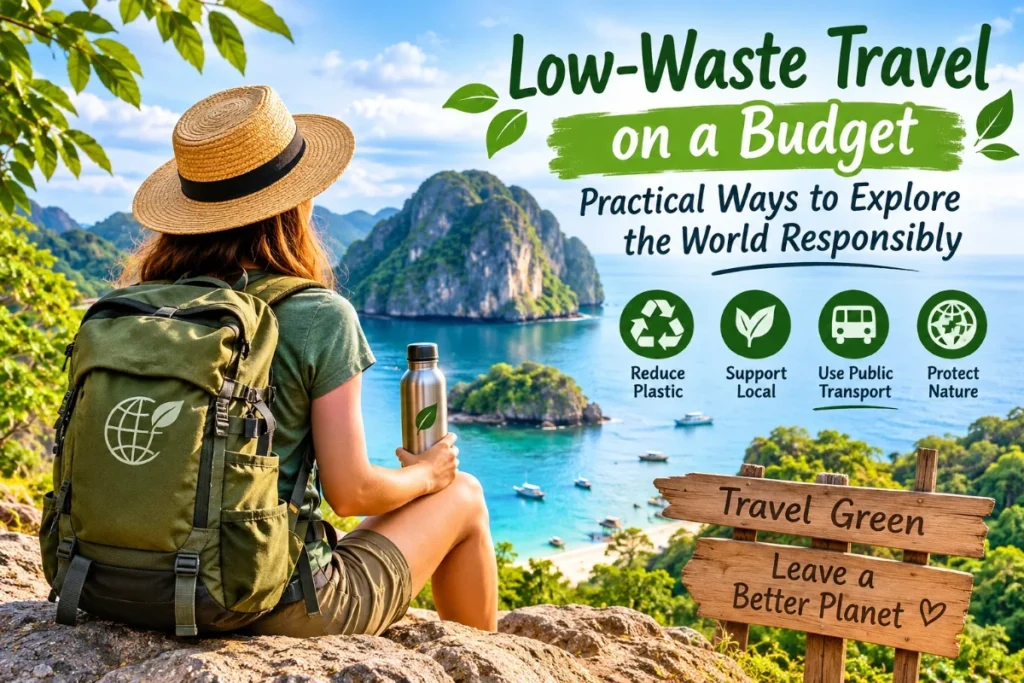
Practical ways to explore the world responsibly while reducing travel waste.
Traveling allows people to experience new cultures, discover beautiful destinations, and create unforgettable memories. However, tourism can also contribute to plastic pollution, excessive resource consumption, and environmental damage. The good news is that exploring the world responsibly does not have to be expensive. With thoughtful planning and a few practical changes, travelers can reduce waste while keeping their trips affordable.
Low-waste travel is not about achieving perfection or avoiding every disposable product. It is about making smarter decisions that reduce unnecessary waste, support local communities, and protect the places people visit. Whether planning a weekend getaway or a longer international adventure, small sustainable habits can make a meaningful difference.
For more interesting articles and useful guides, explore LastMagazinePro.
1. Pack Reusable Essentials Before Leaving Home
One of the easiest ways to reduce travel waste is to prepare a reusable travel kit. Disposable water bottles, shopping bags, coffee cups, and food packaging can quickly accumulate during a trip.
Instead of purchasing single-use products repeatedly, consider carrying a few reusable essentials:
- A refillable water bottle
- A lightweight shopping bag
- A reusable coffee cup
- A compact food container
- Reusable cutlery
- A small travel towel
These items take up relatively little space and can help reduce unnecessary purchases throughout your journey.
Before packing, check the destination’s water safety guidelines. In places where tap water is not safe to drink, use an appropriate water purification solution or purchase water from responsible refill stations where available.
2. Choose Affordable and Environmentally Conscious Accommodation
Accommodation is another important part of responsible tourism. Large hotels may consume considerable amounts of electricity, water, and other resources, but travelers have several alternatives.
Consider locally owned guesthouses, hostels, small hotels, or accommodation providers that demonstrate genuine environmental practices.
Look for properties that:
- Use energy-efficient lighting and appliances.
- Encourage towel and linen reuse.
- Reduce single-use plastic products.
- Manage food waste responsibly.
- Support local workers and businesses.
- Use water-saving facilities.
You do not necessarily need to book an expensive eco-resort to make a responsible choice. A reasonably priced guesthouse that supports its local community may be a better option than a luxury property with little environmental transparency.
3. Use Public Transportation Whenever Practical
Transportation can represent a significant part of a trip’s environmental footprint. Choosing public transport, walking, or cycling can help reduce both travel costs and unnecessary emissions.
Instead of booking private taxis for every journey, explore local transportation options such as:
- Buses and metro systems
- Trains for longer distances
- Shared transportation services
- Bicycle rental programs
- Walking routes for nearby attractions
For example, exploring a city on foot allows travelers to discover local markets, independent cafés, historic neighborhoods, and smaller businesses that might otherwise be missed.
For additional guidance, read these sustainable travel tips to learn more about making environmentally conscious transportation and travel decisions.
4. Support Local Businesses and Communities
Responsible travel is not only about reducing plastic or carbon emissions. It also involves making sure that tourism benefits the people who live in the destination.
Whenever possible, purchase products from local markets, eat at independent restaurants, and choose locally operated tour companies.
Supporting local businesses can help:
- Keep tourism revenue within the community.
- Create employment opportunities.
- Preserve traditional crafts and cultural practices.
- Encourage small business development.
- Provide more authentic travel experiences.
Travelers should also respect local customs, ask permission before photographing people, and avoid purchasing products made from endangered wildlife or protected natural resources.
The UN Tourism responsible traveler guidelines provide useful recommendations for respecting local communities, protecting natural resources, and supporting local economies.
A small purchase from a local business may contribute more directly to the destination’s economy than spending the same amount at a large international chain.
5. Avoid Single-Use Plastics During Your Trip
Plastic waste is a common challenge in popular tourist destinations, especially coastal areas, islands, and locations with limited waste-management facilities.
Travelers can reduce their contribution by avoiding unnecessary disposable products.
Here are some practical habits:
- Carry reusable bags when shopping.
- Refuse unnecessary plastic straws and cutlery.
- Choose products with minimal packaging.
- Refill water bottles at safe refill stations.
- Avoid individually wrapped items when alternatives are available.
- Dispose of waste in appropriate bins.
According to the United Nations Environment Programme (UNEP), travelers and accommodation providers can help reduce plastic pollution by adopting reusable alternatives and reducing unnecessary single-use products.
If reusable alternatives are not available, focus on making the most responsible choice within the circumstances. Sustainable travel should be practical and achievable rather than stressful.
6. Eat Local and Reduce Food Waste
Food is an important part of discovering a new destination. Local restaurants, street-food vendors, and traditional markets often provide memorable experiences while supporting the local economy.
Eating seasonal and locally produced food can also reduce the environmental impact associated with long-distance transportation and excessive packaging.
To reduce food waste while traveling:
- Order portions that you can comfortably finish.
- Share larger meals when appropriate.
- Choose restaurants that use locally sourced ingredients.
- Carry a reusable container for suitable leftovers.
- Avoid purchasing more food than you need.
Exploring local food markets is another affordable way to experience regional culture while discovering fresh ingredients and traditional dishes.
7. Plan Activities That Respect Nature
Outdoor activities can make a trip unforgettable, but popular natural attractions require responsible visitor behavior.
Whether visiting a beach, forest, mountain, or national park, follow local conservation guidelines and avoid disturbing wildlife.
Consider activities such as:
- Guided nature walks
- Community-led cultural experiences
- Responsible wildlife observation
- Cycling tours
- Local conservation activities
- Visiting protected areas with authorized guides
Always stay on designated trails, avoid feeding wild animals, and take your rubbish with you. If an activity involves direct contact with wildlife, research the operator carefully to ensure that animal welfare is prioritized.
Responsible tourism helps preserve natural attractions so that future generations can enjoy them too.
For further information, the United Nations Sustainable Development Goals explain how sustainable tourism can support environmental protection, local employment, and cultural preservation.
8. Create a Realistic Budget for Sustainable Travel
Many people assume that eco-friendly travel is expensive, but responsible choices can often help reduce overall trip costs.
For example, walking instead of taking taxis, using public transportation, staying in locally operated guesthouses, and buying food from local markets can make a noticeable difference to a travel budget.
A simple budget can include:
- Transportation
- Accommodation
- Food and drinks
- Activities and entrance fees
- Travel essentials
- Emergency expenses
Compare prices before booking and avoid paying extra for environmental claims that cannot be verified. Look for transparent information about how accommodation providers and tour operators manage their environmental responsibilities.
Travelers can also explore destinations during shoulder seasons, when accommodation and transportation may be more affordable and popular attractions may be less crowded.
9. Research Your Destination Before Traveling
Good preparation makes responsible travel easier. Different destinations have different environmental challenges, cultural expectations, transportation systems, and waste-management facilities.
Before departure, research:
- Local recycling and waste-disposal options
- Drinking water safety
- Public transportation availability
- Local environmental regulations
- Cultural customs and dress expectations
- Responsible tour operators
- Protected areas and wildlife guidelines
Understanding these details helps travelers avoid unnecessary expenses and make better decisions once they arrive.
It is also useful to check official tourism websites and local government guidance for accurate and updated information.
Final Thoughts
Low-waste travel does not require expensive equipment, luxury accommodation, or complicated planning. It begins with simple decisions that make journeys more responsible and enjoyable.
Packing reusable essentials, choosing local businesses, reducing plastic consumption, using public transportation, and respecting natural environments are practical steps that almost anyone can adopt.
The goal is not to travel without leaving any impact. Instead, it is to become more conscious of how travel choices affect destinations, communities, and the environment.
By combining affordability with responsible habits, travelers can explore more thoughtfully while helping protect the places that make travel worthwhile.

My name is Arman, and I am the founder of Last Magazine Pro, a digital publication dedicated to delivering high-quality content on business, technology, artificial intelligence, startups, investing, and leadership. I am passionate about creating informative, well-researched, and reader-focused content that helps people stay informed about the latest trends and innovations. My goal is to build a trusted platform that provides valuable insights, practical knowledge, and reliable information for professionals, entrepreneurs, and curious readers around the world.