New Technology Trends RoarTechMental | 7 Powerful Innovations to Know
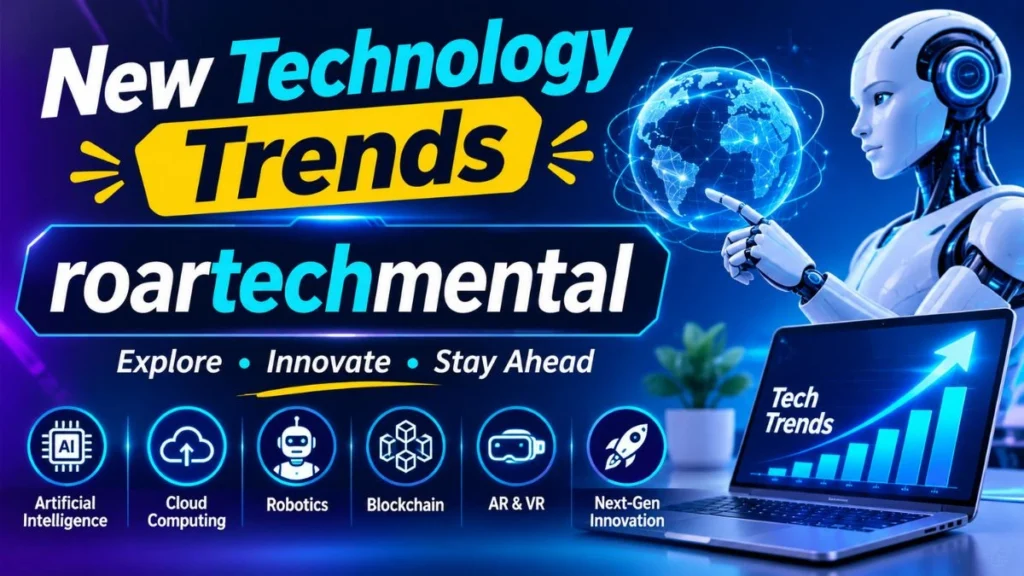
new technology trends roartechmental
Technology moves fast, and keeping up can feel like a part-time job. That may be why people type phrases like new technology trends roartechmental into search engines: they want a clear picture of what is actually changing, not a pile of buzzwords.
This guide does exactly that. It explains what the phrase refers to, walks through seven major trends (AI, agentic AI, multimodal AI, robotics, cybersecurity, cloud, and green tech), and covers the benefits, the risks, and the practical steps for staying ready. No hype, no invented claims.
What Is New Technology Trends RoarTechMental?
First, a note on honesty, because it matters for trust. “New technology trends roartechmental” is a niche search phrase, not an established technical term. It links the idea of emerging technology with RoarTechMental, an online technology-focused website that publishes content about digital innovation.
That is all the phrase tells us. It does not mean RoarTechMental invented these technologies, and this article does not treat it as a technology company or a product. The trends below are broader industry developments that many publications, analysts and researchers discuss.
1. Technology Trend vs. Technology Platform
The difference is easy to mix up:
- A technology trend is a direction the industry is moving in, such as the spread of AI assistants.
- A technology platform is a specific product or service you can use, such as a cloud provider or a software tool.
A website can write about trends without being a platform. Keeping that line clear helps you judge any source more fairly.
7 Major New Technology Trends to Watch
1. Artificial Intelligence and Machine Learning
AI is the base layer for most of what follows. Machine learning lets software find patterns in data and improve with experience rather than following fixed rules.
You already meet it in everyday life: spam filters, product recommendations, voice assistants, fraud alerts. Businesses use it for demand forecasting, customer support and quality checks.
Benefits: faster analysis, less repetitive work, and better predictions.
Limits: AI can reflect bias in its training data, can state wrong information with confidence, and still needs people to check important results.
2. Agentic AI and Automated Workflows
Traditional AI answers a question. Agentic AI takes a goal and works through several steps to reach it, such as gathering information, using different tools, and adjusting when something goes wrong.
In business, that could mean an assistant that sorts incoming requests, drafts replies, updates records and flags exceptions. The sensible setup is human oversight: let the system handle the routine, and keep a person responsible for decisions that carry real risk or cost.
3. Multimodal AI and Advanced Language Models
Early AI tools mostly handled text. Multimodal AI can work with text, images, audio and sometimes video together. You can show it a photo, ask a question out loud, and get a written answer.
That opens up practical uses:
- Education: explaining a diagram or a handwritten problem.
- Communication: transcribing, translating and summarizing meetings.
- Business: reading invoices, reviewing product photos or analyzing mixed documents.
4. Robotics and Physical AI
Physical AI is intelligence placed inside machines that move through the real world. Think warehouse robots, inspection drones and smart manufacturing equipment that adapts to changes on the factory floor.
The most realistic near-term picture is collaboration, not replacement. Robots take on heavy, repetitive or hazardous tasks, while people handle judgment, problem-solving and supervision.
5. Cybersecurity and Digital Trust
As more of life moves online, more can go wrong. Security is no longer a back-office concern; it is part of trust itself.
Three developments stand out:
- AI-powered threat detection that spots unusual behavior faster than manual monitoring.
- Zero-trust security, which assumes no user or device is automatically safe and verifies each request.
- Stronger data privacy practices, driven by customer expectations and regulation.
Attackers use AI too, which is why defense has to keep improving.
6. Cloud Computing and Infrastructure Modernization
Cloud platforms let organizations rent computing power and storage instead of owning everything themselves. Many now use a hybrid approach, combining private systems with public cloud services.
The appeal is flexibility: scale up when demand rises, scale down when it falls, and spend less time maintaining hardware. The trade-offs are cost control, vendor dependence and the need for careful security settings.
7. Green Technology and Sustainable Innovation
Digital infrastructure uses a lot of energy, so efficiency has become a design goal. Trends include energy-efficient chips, data centers powered by cleaner sources, better cooling, and software written to use fewer resources.
Technology also helps outside its own footprint, from smart energy grids to tools that monitor emissions and manage resources more precisely.
How These Emerging Technologies Change Everyday Life
You do not need to work in tech to feel these shifts.
- Communication: faster, more connected, with real-time translation becoming normal.
- Homes: connected devices manage lighting, heating and security.
- Personal assistance: AI helps with scheduling, writing, research and planning.
- Education: learning tools adapt to the pace of each student.
- Healthcare: software supports scheduling, record keeping and image analysis, with clinicians making the decisions.
- Work: routine tasks are automated, and digital skills matter in more roles.
The Role of RoarTechMental in Understanding Digital Innovation
Technology-focused websites can play a useful role. They collect news, explain unfamiliar concepts and help readers notice what is changing. Sites in this space, RoarTechMental included, are best read as starting points for learning, not final authorities.
Whatever source you use, a few habits keep you grounded:
- Check whether claims name real products, dates or sources.
- Compare two or three independent publications before believing a big claim.
- Be wary of promises like “guaranteed results” or “revolutionary” with no evidence.
- Separate opinion and speculation from documented facts.
Benefits of Following New Technology Trends
1. Better Knowledge of Digital Developments
You understand the headlines instead of nodding along, which makes every other decision easier.
2. Improved Business Productivity
Knowing what is available helps you automate the right tasks and skip the wrong ones.
3. New Career and Learning Opportunities
Skills in data, AI tools, security and cloud are in demand. Even basic familiarity can set you apart.
4. Smarter Technology Adoption
Informed buyers avoid wasting money on fashionable tools that do not fit their needs.
Challenges and Risks of Emerging Technologies
Every trend has a cost, and an honest guide should say so.
- Privacy and cybersecurity: more connected systems mean more places to protect.
- AI bias and inaccuracy: outputs can be wrong or unfair, so verification matters.
- Changing jobs: automation shifts which skills are needed, and some roles will change significantly.
- Implementation costs: software, training and integration can cost more than the license fee.
- Environmental impact: large-scale computing uses energy and materials.
How Businesses Can Prepare for Future Technology Changes
1. Identify Useful Technology Solutions
Start with a real problem, not a trend. Ask what slows your team down, then look for the simplest tool that helps.
2. Invest in Digital Skills and Training
Technology only pays off when people can use it well. Budget time for learning, not just licenses.
3. Strengthen Cybersecurity Systems
Use multi-factor authentication, keep software updated, back up data, and train staff to recognize phishing.
4. Adopt Innovation Gradually
Pilot a tool with one team, measure the results, then expand. Small tests cost less than big mistakes.
New Technology Trends vs. Traditional Technology
| Traditional Technology | Emerging Technology |
|---|---|
| Manual processes | Intelligent automation |
| Basic data processing | AI-powered analysis |
| Traditional infrastructure | Cloud-based systems |
| Reactive security | Proactive threat detection |
| Conventional energy use | Energy-efficient computing |
New does not always mean better. Older systems can be reliable and sensible for stable needs. The goal is to match the tool to the job.
What Does the Future Hold for Technology Innovation?
No one can predict the details, but several directions look likely to continue:
- Growing influence of artificial intelligence in everyday tools.
- More advanced automation across industries.
- Connected digital ecosystems where devices and services work together.
- Sustainable computing as efficiency becomes a competitive factor.
- Greater attention to responsible innovation, including transparency and fairness.
How to Stay Updated With New Technology Trends
- Follow reliable technology publications and compare more than one.
- Read research and industry reports when you can.
- Try new digital tools in low-risk ways.
- Attend technology events and webinars.
- Evaluate each innovation against your own needs before adopting it.
Conclusion: Why New Technology Trends RoarTechMental Matter
The phrase new technology trends roartechmental may be niche, but the questions behind it are universal: what is changing, what is worth my attention, and what should I ignore? We covered seven answers: AI and machine learning, agentic AI, multimodal AI, robotics, cybersecurity, cloud modernization, and green technology.
The takeaway is simple. Stay curious, check your sources, adopt new tools at a pace you can manage, and keep people in charge of the decisions that matter. Technology is most useful when it serves your goals, not the other way around.
Frequently Asked Questions
What are new technology trends RoarTechMental?
It is a niche search phrase connecting emerging technology topics with RoarTechMental, a technology-focused website. It is not a formal technical term, and it does not refer to a single product or company.
What are the biggest technology trends in 2026?
Commonly discussed trends include agentic AI, multimodal AI, robotics and physical AI, cybersecurity, cloud computing, and sustainable technology.
How does artificial intelligence influence modern technology?
AI improves automation, data analysis, productivity and decision support. It works best with human review, especially for important or sensitive decisions.
Why are emerging technology trends important for businesses?
They affect efficiency, competitiveness, digital transformation and new opportunities. Understanding them helps businesses choose tools that fit their needs.
Can new technology trends create challenges?
Yes. Common challenges include privacy and security risks, implementation costs, AI errors and bias, and changing workforce needs.
How can beginners learn about emerging technologies?
Start with basic concepts such as what AI, cloud and cybersecurity mean. Use reliable learning resources, follow several publications, and try beginner-friendly tools hands-on.
Please Read More Informative Articles:
- Brumeblog com: 7 Powerful Things You Need to Know
-
BacktoFrontShow Pricing: 7 Powerful Benefits You Need to Know

Sobia is an SEO Expert and Content Writer specializing in keyword research, SEO optimization, and engaging content that improves search rankings, drives organic traffic, and enhances online visibility.